Enai – How to Design an App That Supports Mental Health and Well-Being
We have distilled the expert knowledge of therapists and psychologists into a web application design powered by artificial intelligence, providing professional psychological support anytime, anywhere. We created a tool that combines personalized emotional support sessions with AI-generated meditations—an ethical, accessible solution that empowers users to build their own stories. The entire experience is complemented by a cohesive visual identity we designed to build trust and strengthen brand recognition.
Enai is an AI-powered mental health app based on decades of therapeutic work with clients.
It uses artificial intelligence to make the expertise of psychologists and therapists accessible to everyone—regardless of location, time, or budget. The app guides users through personalized therapeutic sessions, generates custom meditations, and helps organize insights throughout a long-term development process.
We developed a visual identity that bridges the world of technology with nature-inspired elements, creating an experience that is both modern and human-centric. The core theme is the "inner hero"—empowering users to discover their own strength and potential for positive change.
We have designed an experience that guides the user safely and mindfully through the therapeutic process, accounting for a wide range of situations and emotional contexts.
Strategy Workshops
UX/UI
User Flow
IA (Information Architecture)
Design System
Branding
Context of the project
Enai approached us with a ready-made proof-of-concept (POC) for a mental health AI app that had already undergone initial user testing. These tests revealed a number of ambiguities that detracted from the user experience. The client turned to Zima UX/UI to collaborate on improving that experience. We faced a multifaceted challenge:
- First: differentiating Enai from the growing number of AI chatbots and clearly communicating the unique value of a product based on expert therapeutic knowledge.
- Second: designing an experience that safely and consciously guides the user through the process, accounting for the diverse situations and emotional contexts they may encounter.
Defining the product's boundaries was crucial—Enai is not a tool for individuals under the age of 18 or for cases requiring clinical intervention.
Project goals
Differentiating Enai from generic AI chatbots:the client works within a designed process using their own resources and inner wisdom—Enai does not give advice.Designing safe UX for a sensitive context:Enai identifies patterns across sessions that the user may have missed and helps them connect experiences within a moduleIslands. This provides a holistic view of the problem.
Building independence, not dependence:Enai is designed to teach users how to manage anxiety, phobias, and stress on their own—not to keep them tethered to the app. We created an experience that gradually empowers the user: it helps them recognize their own patterns, organizes insights from sessions, and builds the competence to act independently outside the app.Reframing language:replacing diagnostic-sounding terminology with neutral, growth-oriented language. Topics are presented as areas to explore rather than fixed problems.Safe and ethical role of AI:AI usage frameworks created by therapists and a supervision team, which sets the application apart from other LLMs (designed for therapeutic work).
Design process
We began the project with look & feel workshops, persona development, and target audience selection. We designed scenarios and user journey mapping, which allowed us to address various use cases and respond to the real needs of our users.
Instead of one universal path, the experience was built around five support scenarios derived from an analysis of real-life situations in which a user might reach for Enai. Each scenario carries a different emotional context, different expectations of the application, and a different time horizon.
Crisis support here and nowMoments after a panic attack, after receiving very bad news, or during a period of intense stress. A situation where there is no room for a multi-stage process — what matters is immediate support to help stabilize your emotional state here and now.
Preparation for a stressful situationAn upcoming difficult conversation, presentation, or doctor's appointment. A one-off, specific situation — the need for tools and support for the next few hours, not a long-term program.
Support during a difficult life periodBreakups, grief, changing jobs, moving. A situation extended over time that requires returning to sessions, tracking progress, and organizing what emerges during the process.
Working on a specific emotionDaily functioning is fine, but there is one specific issue that is blocking you (e.g., fear of heights, fear of public speaking, claustrophobia). A situation requiring a targeted therapeutic process focused on a single area.
In-depth chronic stress therapyChronic stress affecting daily functioning. A situation requiring in-depth, long-term therapeutic work — a multi-session cycle with a framework, structure, and the ability to measure progress over time.
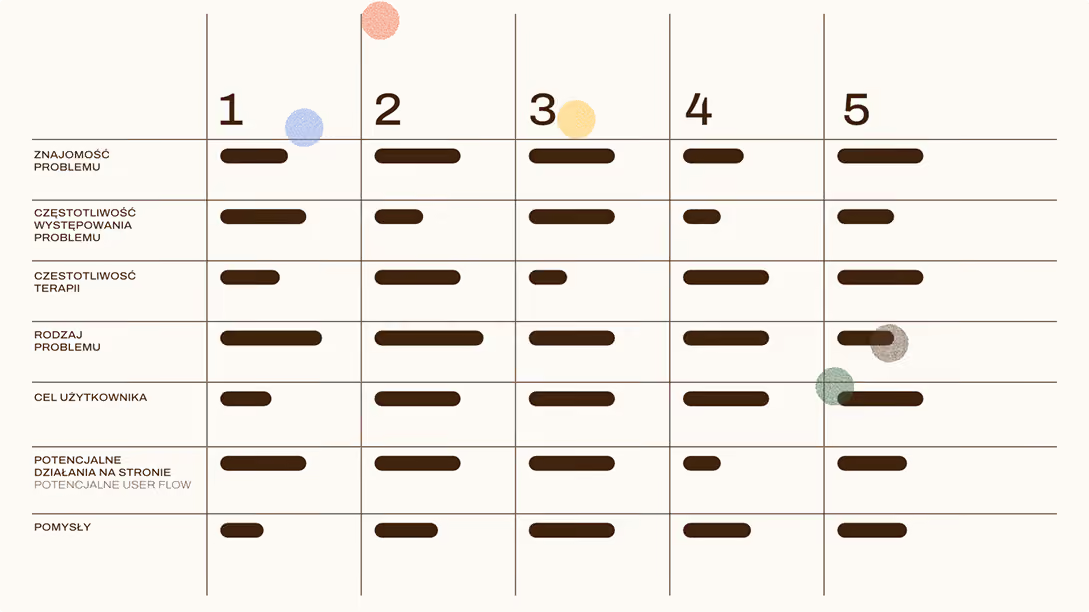
Each of these scenarios requires a different mode of interaction, a different pace, and a different level of engagement. In response, we have designed four interconnected layers of experience:.
Immediate assistance:quick support during a stressful moment, without unnecessary steps or processes.Guided therapeutic process:full sessions with a framework, structure, and visible progress, building a workflow around a specific topic.Free-flowing conversation:a mode without a rigid structure or sequential process steps. The user decides what they want to talk about, and the chat adapts to the topic in real time. Flexibility, responsiveness, and alignment with current needs are what matter most.Islands:a space that organizes the process of self-discovery by revealing the patterns hidden within conversations.
Key Features
Onboarding – introducing the product’s value
Problem:
The original POC did not include an onboarding process. The product’s value and limitations were not clearly explained.
Solution:
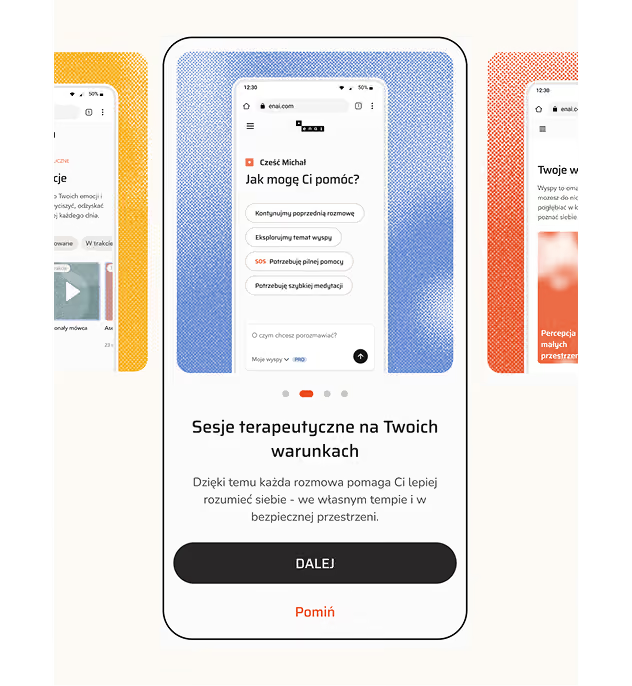
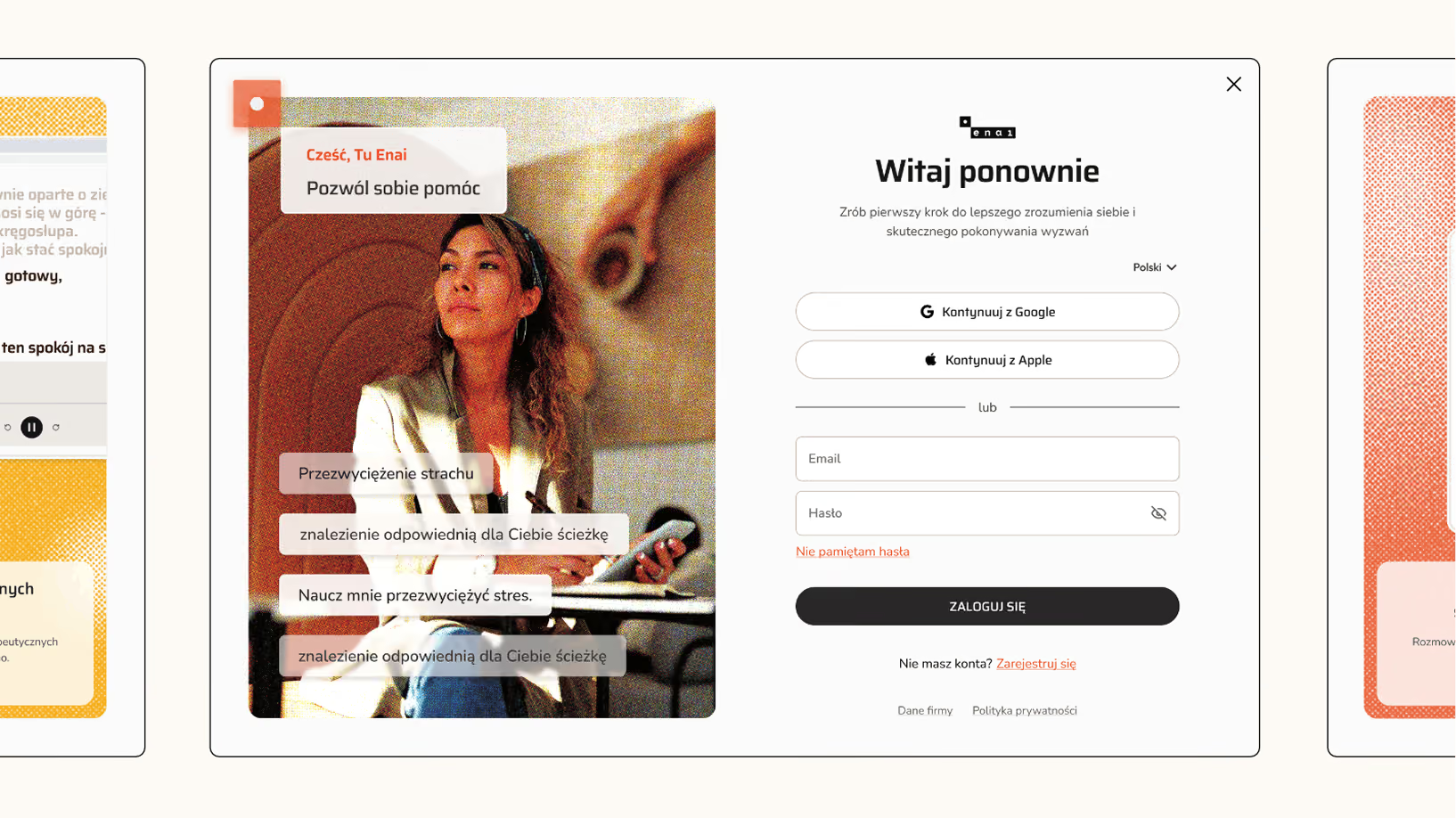
We designed a two-part onboarding experience: introductory slides focused on the app’s features, complemented by contextual tooltips that guide users through the process of becoming familiar with the application.
Therapeutic sessions - structure instead of an open chat
Problem:
In the POC, users didn't know what stage of the process they were in. Analysis of scenarios and user journey maps showed that a long, multi-stage conversation isn't always what the user wants in every life situation.
Solution:
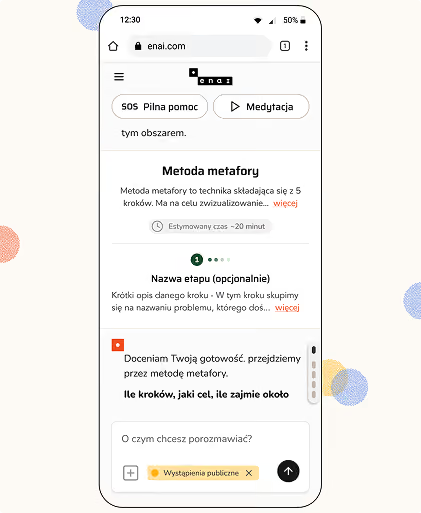
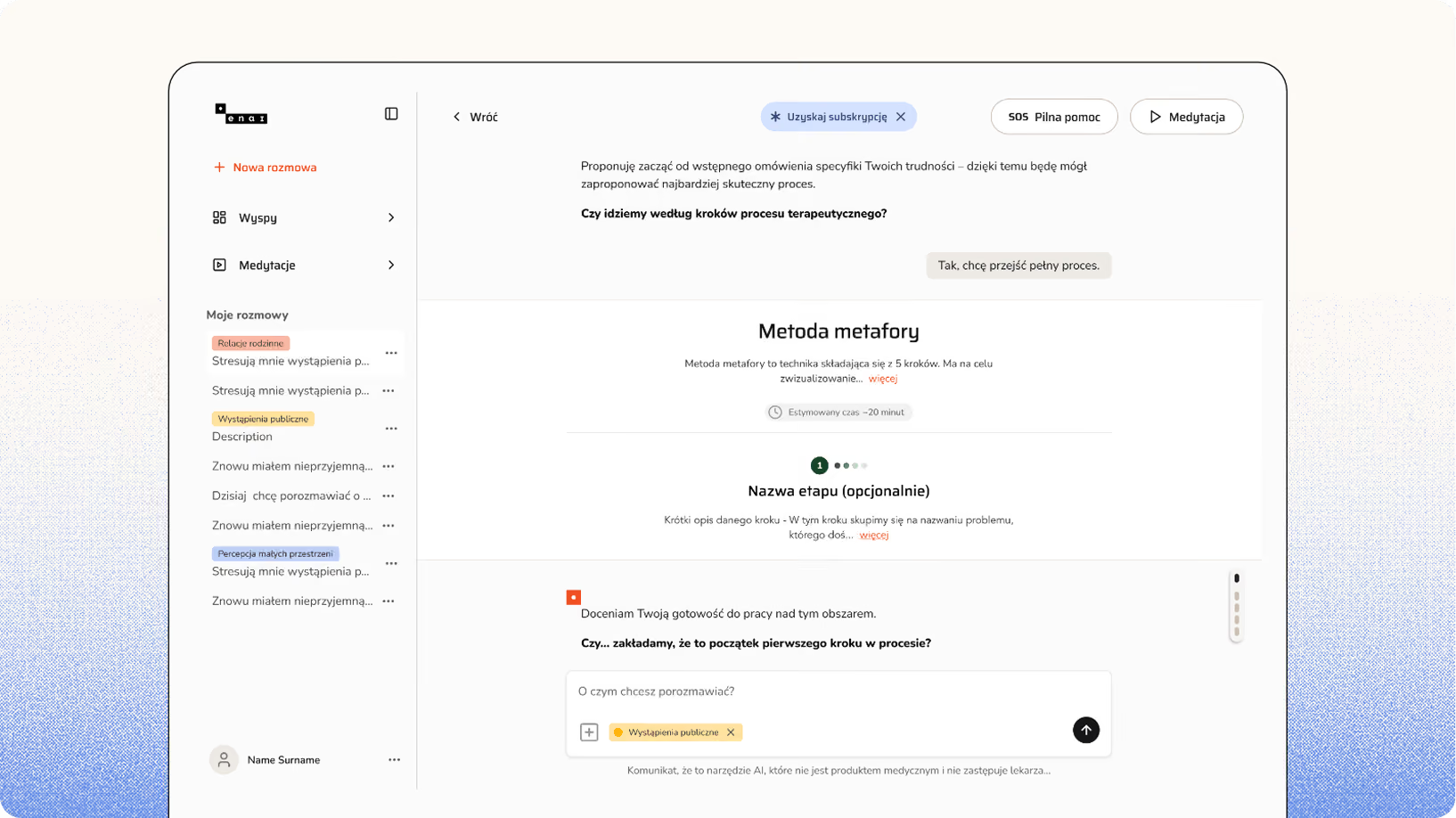
We proposed splitting the experience into two modes: casual conversation and a guided process. At the start of a session, the user is asked whether they prefer a free-flowing conversation or wish to enter a full therapeutic process.
The system displays progress: how many steps are left, where the user is currently, and how long it will take. If the process consists of a cycle of several sessions, the user has the option to book time for the next session (with a reminder).
Personalized meditations - generated from session context
Problem:
Generic meditation content available on many other platforms fails to reflect the user's actual situation and does not address their specific problems.
Solution:
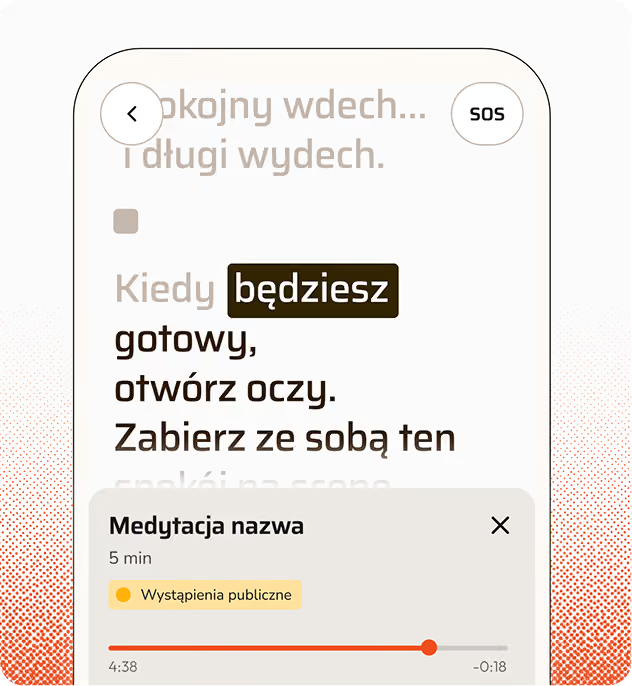
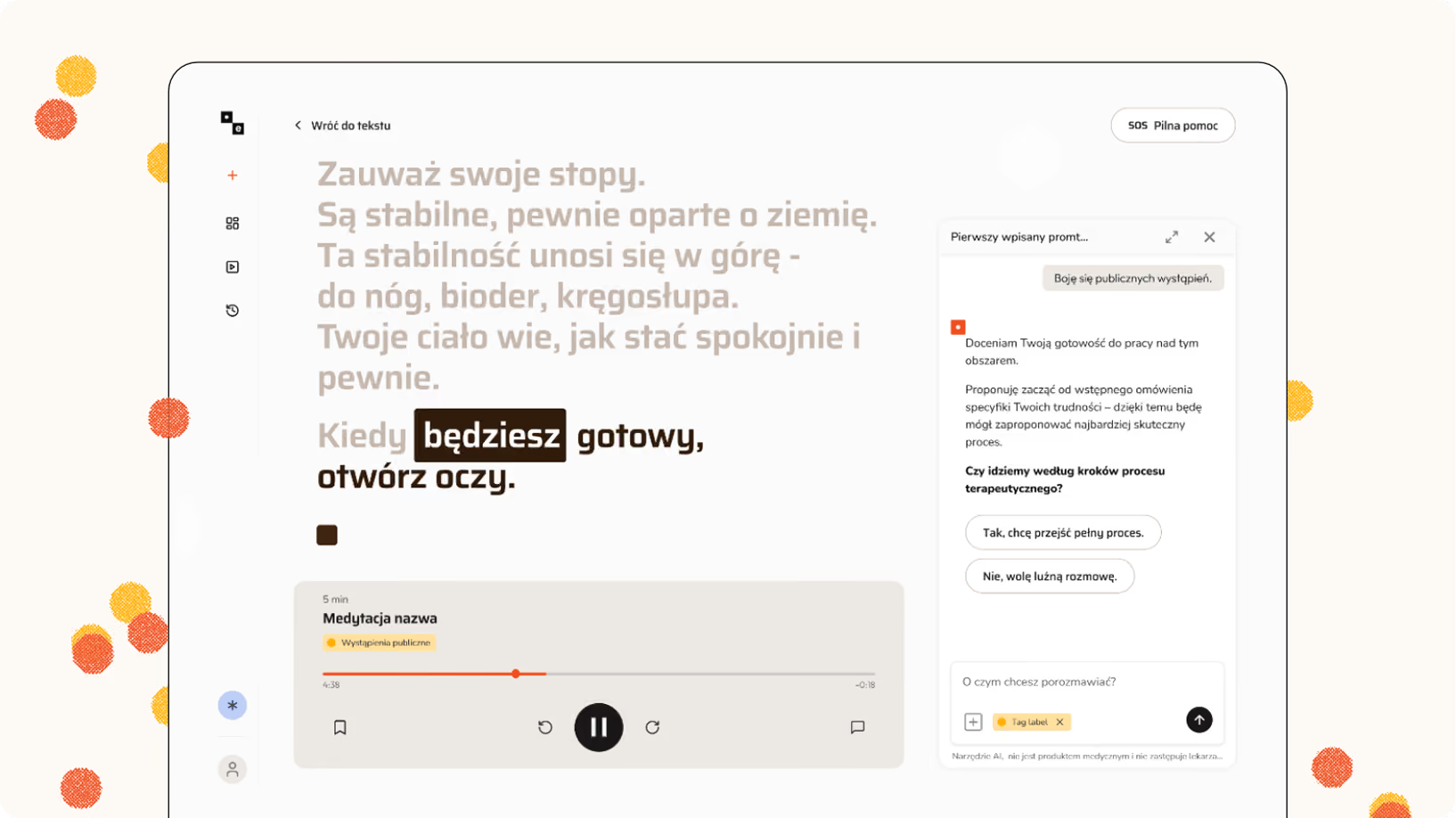
Meditations (text and audio) are generated based on the content of your therapy session. You can edit them manually or with Enai’s help, building a personal library of support for difficult moments.
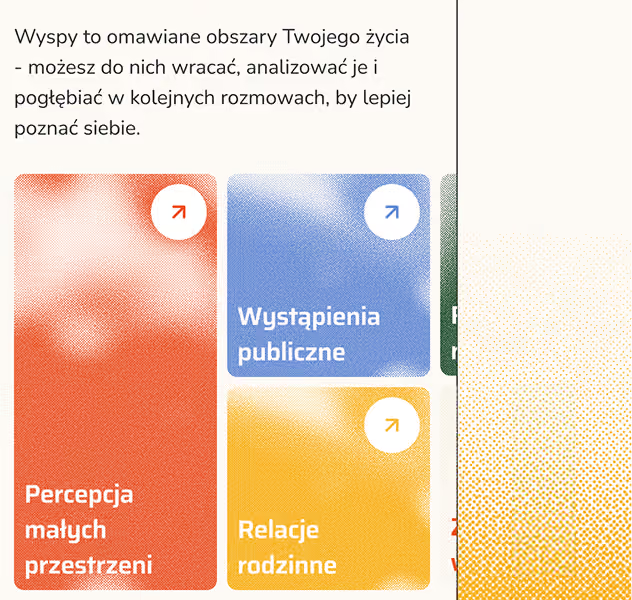
Islands - a long-term space for self-discovery
Problem:
Isolated conversations lost the thread of recurring, long-term topics. Users would have to scroll through entire chat histories to return to previous insights.
Solution:
We proposed an "Islands" feature that organizes the user's knowledge and discoveries around the areas of life discussed with Enai. Through summaries, key takeaways, and suggestions for next topics, it helps to holistically care for every area.
Reframing language - growth instead of diagnosis
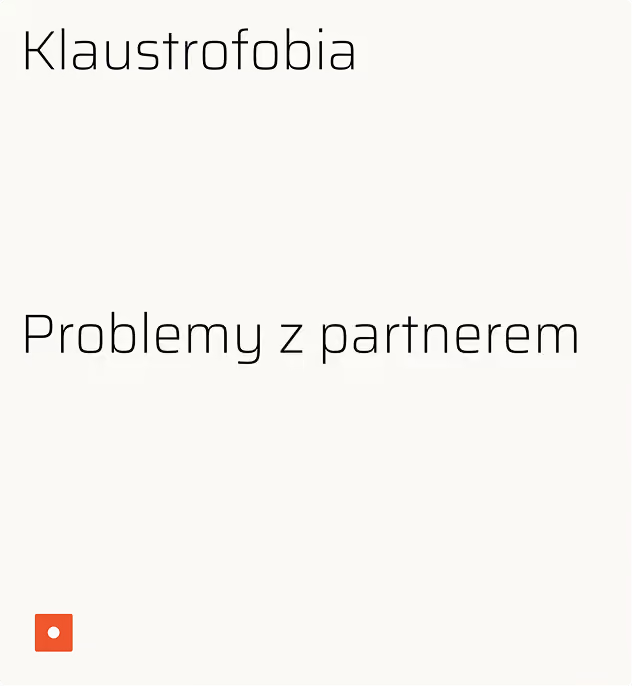
Mental health products risk reinforcing negative labels. We proposed replacing diagnostic-sounding terminology with neutral language: topics are presented as areas for exploration rather than fixed problems. This reduces stigma and fosters a more constructive mindset.
Branding – a brand identity designed from scratch
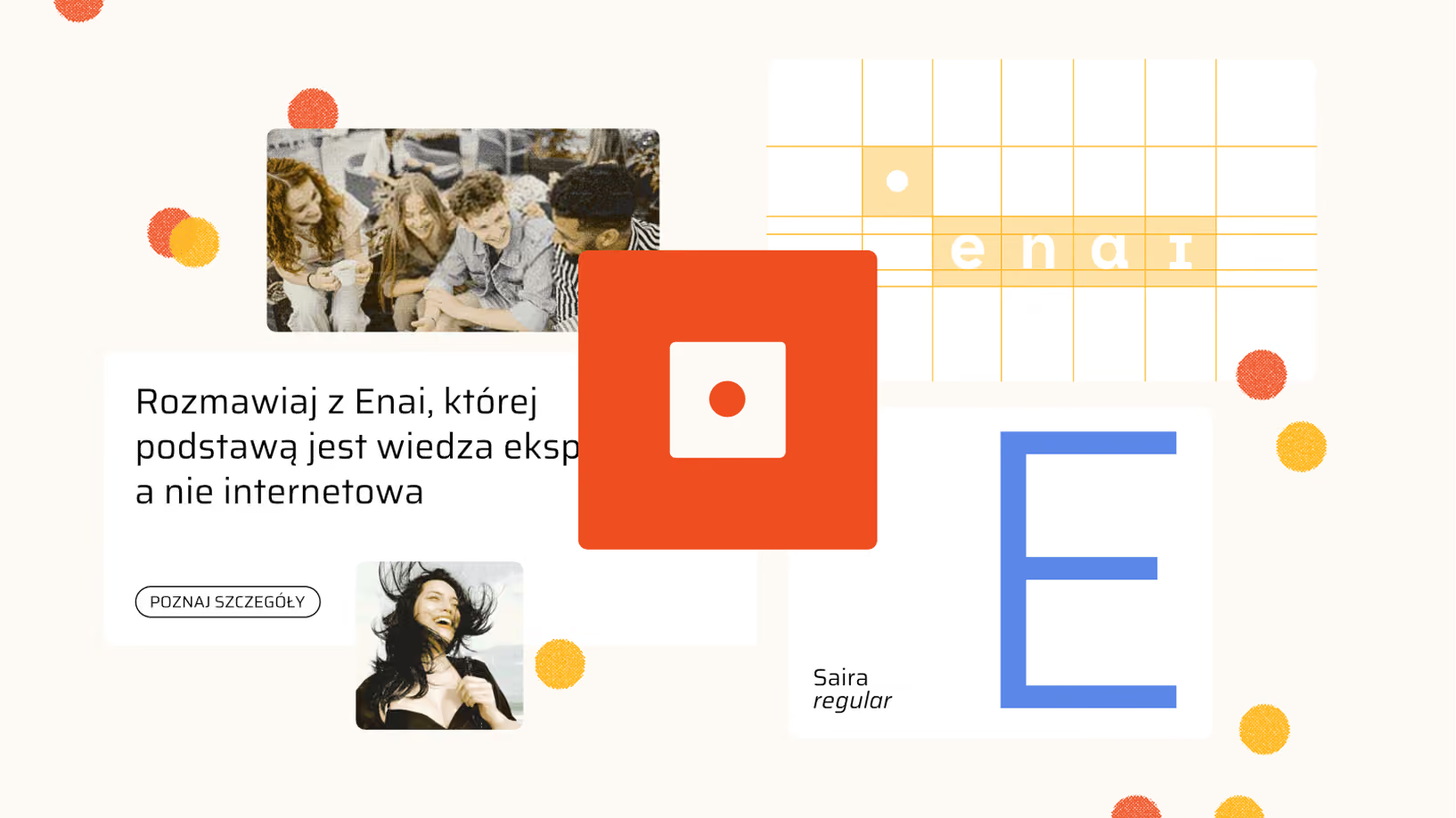
We began building the brand with look & feel workshops, during which we defined two pillars of Enai’s character: courage and helpfulness. The brand is intended to inspire change and empower people, while also creating a sense of safety, support and being cared for. Within the therapeutic market, it communicates confidence through the expert theoretical foundations on which the product is built.
We based the identity on two archetypes:
- The Explorer encourages self-discovery: exploring one’s own life and building foundations for the future.
- The Hero empowers users to regain control, as Enai’s goal is to strengthen their sense of agency.
We designed the logo from scratch. The symbol evokes associations with the industry while communicating the brand’s values: creativity, confidence, warmth and accessibility.
The identity’s key visual motif consists of complementary rasterised colour shapes inspired by printing techniques such as screen printing and risograph. They represent the combination of different personality traits and multiple perspectives in psychotherapy, while giving the brand an analogue, tangible and approachable character.
Inspired by the CMYK colour space and expanded with green and brown, the colour palette connects the worlds of technology and nature.
Results
Together with the Enai team, we developed a product business strategy that aligns design decisions with market goals and the application's growth model.
Together with the Enai team, we developed a product business strategy that aligns design decisions with market goals and the application's growth model.
We have introduced Knowledge Islands to organize user insights and discoveries around conversation topics with Enai. This allows the app to go beyond individual sessions, offering long-term support and easy access to key takeaways and progress.
We created a brand identity that blends technology with nature-inspired elements—modern, yet human-centric. At its heart is the "inner hero" concept: empowering users to discover their own strength, agency, and potential for change.
Zima helped us with our new mobile application. The team delivered mockups, prototypes, final UI files, and WCAG documentation. The Zima team also introduced improvements to our B2B panel project. We found them through recommendations and decided to collaborate due to their work model, the quality of their previous projects, and Ilona's reliability.

Our team worked in a design model
.png)
.png)




.png)

.png)
.png)
.png)
.png)
.png)
.png)





![This is what you need to know to make your medtech business work [+UX examples]](https://cdn.prod.website-files.com/665f016b950e89499f580acc/6a43a79743af9d4fe4319261_ToMusiszWiedziecZeby....png)